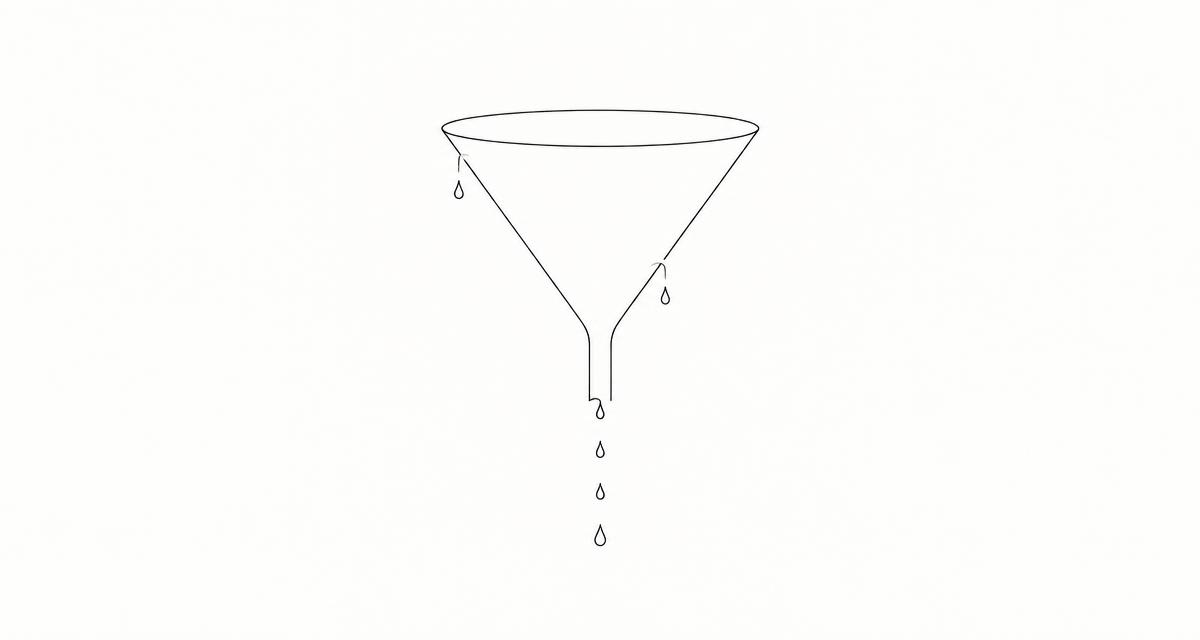
A low conversion rate is rarely one big problem. It is usually several small leaks spread across the funnel, each costing a little, together costing a lot. Before you redesign the store or buy another app, check these twelve places first.
The list follows the order a customer moves through your store: traffic, landing and product pages, add to cart, checkout and repeat purchase.
Traffic leaks
1. You are measuring the wrong conversion rate
A sitewide conversion rate blends every channel, device and intent level into one number. A spike in cheap social traffic can make a healthy store look broken.
Segment before you diagnose:
- Conversion rate by channel (paid social, search, email, direct)
- Conversion rate by device
- New versus returning visitors
If you cannot say which segment is underperforming, you are not ready to fix anything yet.
2. Ads promise something the landing page does not deliver
When the ad talks about a specific product, offer or benefit and the visitor lands on a generic homepage, they have to search for what they were promised. Most will not. Match each campaign to a page that continues the same message.
3. Tracking is incomplete or duplicated
Duplicate purchase events, missing add-to-cart events or broken UTM parameters make every later decision unreliable. Confirm that one order produces exactly one purchase event in each analytics tool.
Landing and product page leaks
4. The page is slow on mobile
Most Shopify traffic is mobile. Heavy hero videos, oversized images and stacked third-party apps delay the first meaningful view. Test on a mid-range phone over a normal mobile connection, not on office Wi-Fi.
5. The value is unclear in the first screen
A visitor should understand what the product is, who it is for and why it is worth the price without scrolling. Look at your product page above the fold and ask whether a stranger could answer those three questions.
6. Product images do not answer real questions
Customers cannot touch the product. Images need to show scale, texture, use in context and every variant. Read your support inbox: repeated questions usually point to missing images.
7. Trust is missing at the moment of doubt
Reviews, delivery times, return policy and payment options work best near the add-to-cart button, where hesitation happens, not in the footer.
Add to cart leaks
8. Variant selection creates friction
Unclear size guides, unavailable variants shown as selectable, or a default variant that is out of stock all interrupt the decision to buy.
9. The cart surprises the customer
Unexpected shipping costs are one of the most common reasons carts are abandoned. Show delivery cost or the free-shipping threshold before checkout.
| Cart signal | What to check | Common fix |
|---|---|---|
| High cart views, low checkouts | Shipping cost visibility | Show threshold on product page |
| Many cart edits | Variant or quantity confusion | Clearer selectors and size guidance |
| Drawer closed often | Distracting upsells | Limit to one relevant offer |
Checkout leaks
10. Checkout asks for too much
Forced account creation, extra fields and unclear discount-code boxes slow people down. Keep guest checkout available and review every checkout customisation added by apps.
11. The preferred payment method is missing
Customers abandon when they cannot pay the way they expect. Review which payment options your audience uses and make sure they appear early in checkout, including express options on mobile.
Repeat purchase leaks
12. The relationship ends at the order confirmation
Acquisition cost is paid once; repeat purchase is where margin is earned. Check whether post-purchase emails are helpful rather than purely promotional, whether replenishment timing matches how the product is used, and whether returning customers see anything different from first-time visitors.
How to prioritise what you find
Not every leak deserves attention now. Score each issue on three things:
- Impact — how much revenue passes through this step?
- Confidence — how strong is the evidence that it is a real problem?
- Effort — how long will it take your team to fix?
Start with high-impact, high-confidence, low-effort fixes. Agree the KPI for each change before you ship it, so you can tell whether it worked.
A final note
Tools and apps do not fix a funnel on their own. Clear diagnosis, a prioritised plan and measurable execution do. If you work through this list in order, you will know exactly where your store is leaking — and what to fix first.